Quick Summary
This article dives into how blue light blocking glasses can combat digital eye strain, improve sleep, and support overall wellness. It covers key benefits, drawbacks, evidence-based insights, and practical tips for selecting and using them effectively.
Pd 60w Usb C To Usb Type C Cable Fast Charge Data Cable For
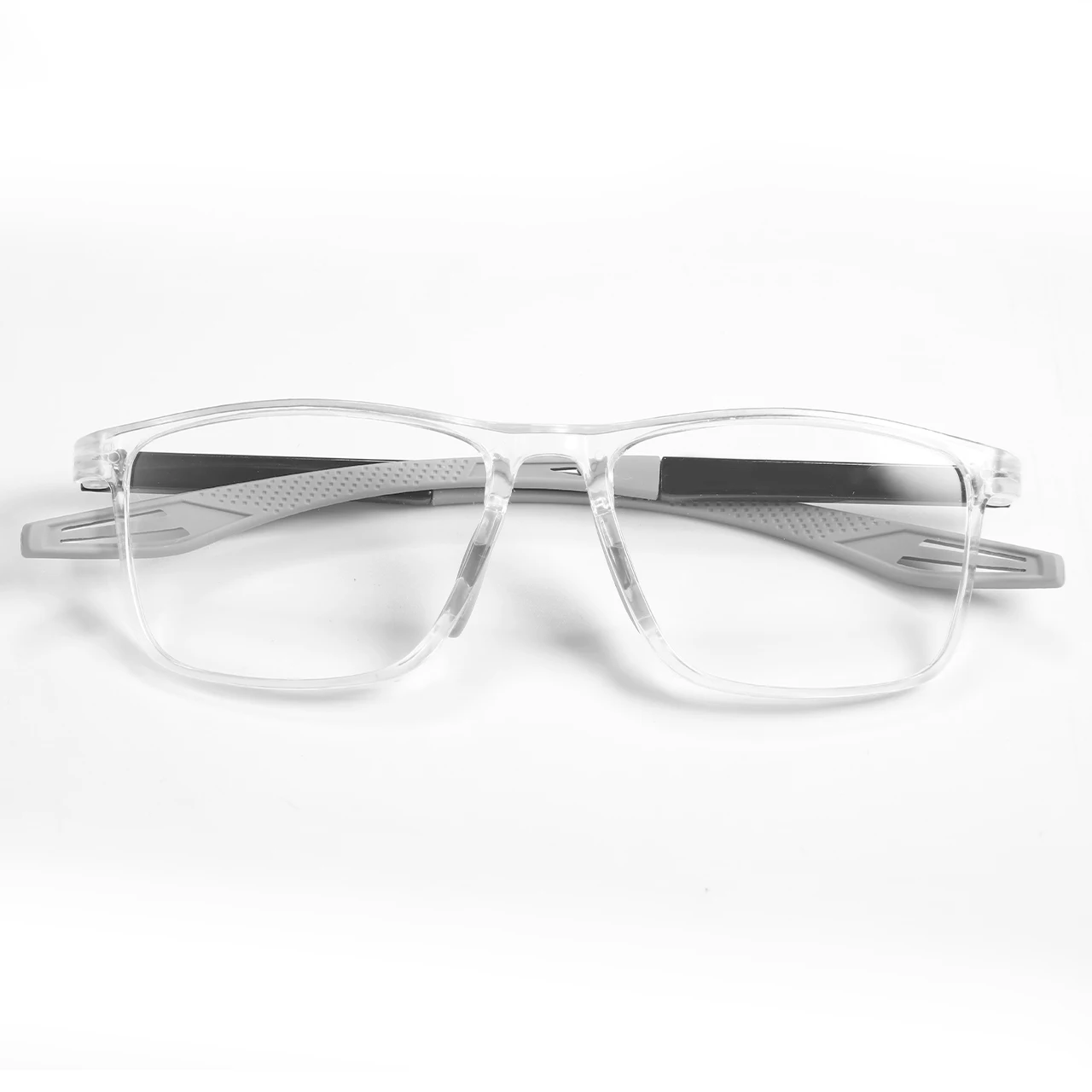
1pack Anti Blue Light Square Prescription Spectacles Women M

Anti-blue Light Reading Glasses Ultralight Tr90 Sport Presby

Anti-blue Light Reading Glasses Hd Eyeglasses Tr90 Sports Ey
The Screen Glow at Midnight: My Journey into the World of Blue Light Glasses
I first noticed it around 11:37 PM. The soft, relentless glow of my laptop screen was the only light in the room, painting my tired face in a wash of cool blue. A familiar, dull ache had settled behind my eyes. My vision had started to swim, and a faint headache pulsed at my temples. I was deep in the grip of digital eye strain.
This was my new normal. Then, a colleague showed up to a video call in a pair of stylish, amber-tinted glasses. "Game-changer," she said. Skeptical but desperate, I fell down the rabbit hole. Are blue light glasses a genuine tool for wellness, or just another cleverly marketed placebo?
This is my investigation. This is your ultimate beginner's guide.

The Digital Deluge: Why We’re All Feeling the Strain
Let's start with the truth: we live through screens. Remote work, endless streaming, social media—our waking hours are bathed in artificial light. This constant exposure has a cost. The high-energy visible (HEV) blue light emitted by our devices scatters more easily than other light, creating visual "noise." This forces our eye muscles to work harder, leading to Computer Vision Syndrome.
You know the symptoms:
- Headaches centered around the eyes and forehead.
- Dry, irritated, or watery eyes.
- Blurred vision, especially at the end of the day.
- That wired-but-tired feeling at night.

The Science of the Glow: It’s All About Timing
Not all blue light is bad. The natural blue light from the sun is crucial for regulating our sleep-wake cycle. The problem is one of timing and dosage.
Our screens, however, blast us with concentrated doses long into the night. This after-dark exposure tricks specialized cells in our eyes into telling your brain it's midday, suppressing melatonin, the sleep hormone. Your 10 PM Netflix binge? Your brain thinks it's a bright, sunny afternoon.
Your Arsenal: How Blue Light Glasses Actually Work
The solution seems simple: block the problematic light. After testing dozens of pairs, I found they generally fall into two camps:
1. The Subtle Protectors (Clear or Light Tints) These look like standard glasses with a faint filter (blocking 10-30% of blue light). They’re for all-day wear with minimal color distortion.
- Best for: Daytime computer work when you need color accuracy.
2. The Heavy-Duty Filters (Yellow/Amber Tints) These have a noticeable warm hue, blocking a much higher percentage (65-98%). They dramatically soften screen glare.
- Best for: Evening use, gamers, or anyone with severe eye strain.

The Verdict from the Trenches: Pros and Cons
After weeks of testing, here’s my honest breakdown.
The Compelling Pros ✅
- Real Relief from Eye Strain: The most immediate result. With amber-tinted lenses, the 4 PM headache I’d come to expect simply vanished. The screen’s harsh glare softened.
- A Legitimate Sleep Aid: Wearing them before bed became part of my wind-down ritual. The science is strong here—by blocking melatonin-suppressing light, you give your body a clearer nighttime signal.
- A Physical Reminder: Putting them on triggered better habits: sitting up straight, practicing the 20-20-20 rule, taking mindful breaks.
The Honest Cons ❌
- The Science is Nuanced: You’ll find conflicting studies. Results vary by individual and lens quality.
- A Wildly Inconsistent Market: The term "blue light blocking" isn’t regulated. A $10 pair may offer little more than tinted plastic.
- Not a Magic Bullet: They are a layer of defense, not a substitute for eye exams, proper screen settings, and regular breaks.
The Ultimate Beginner's Selection Guide
Ready to try them? Don't just buy the first pair you see. Use this framework. Based on my deep dive into top-selling, highly-rated options, here are five excellent starting points that match different needs and budgets.
For a Classic, All-Day Square Frame:
Anti Blue Light Square Prescription Spectacles Women Men A top-seller for a reason. This classic square frame offers a universally flattering look with clear or lightly tinted lenses perfect for all-day wear at the office or home. Its sturdy build and high rating make it a reliable first pick.
- Price: ~$2.13 | Rating: 98.0%
For a Sporty, Lightweight Fit:
Anti-blue Light Reading Glasses Ultralight TR90 Sport If you hate heavy frames, consider these. Made from flexible TR90 material, they’re incredibly lightweight and durable. The sporty design stays put, ideal if you’re moving around or find standard glasses pinching.
- Price: ~$2.18 | Rating: 98.0%
For Severe Strain & Evening Use (Amber Tint):
Anti-blue Light Reading Glasses HD Eyeglasses TR90 Sports This pair is geared towards higher filtration. Look for the amber-tint options here for maximum blue light blocking after sunset. The HD lenses and sport frame are built for long, focused sessions.
- Price: ~$2.47 | Rating: 98.0%
For a Simple, Budget-Friendly Trial:
Anti-blue Light Glasses for Women with Regular Eyeglass Frame Want to test the waters with minimal investment? This straightforward pair is a bestseller under $2. It’s a no-fuss way to see if blue light glasses make a difference for you before upgrading.
- Price: ~$1.74 | Rating: 98.0%
For the Best Value Bundle:
2 Pair New Men Women Rimless Reading Glasses Anti Blue Light Why choose one style? This bundle offers two rimless (invisible frame) pairs for about $2. Keep one at your desk and one by your bedside table. It’s exceptional value to cover all your screen time.
- Price: ~$2.00 | Rating: 98.0%
Your Holistic Digital Wellness Toolkit
Glasses are a star player, but you need a full team. Pair your new glasses with these habits:
- Enable Night Shift/Night Light/f.lux on all devices.
- Practice the 20-20-20 Rule: Every 20 minutes, look at something 20 feet away for 20 seconds.
- Optimize Your Workspace: Screen at arm's length, top at eye level. Use a matte filter.
- Remember to Blink: Sounds silly, but we do it 66% less in front of screens.
The Final Verdict
Here’s my conclusive take: For reducing symptoms of digital eye strain and supporting sleep hygiene, high-quality blue light glasses are a worthwhile, effective tool.
They are not a medical cure. But as a functional accessory for our screen-saturated lives, they deliver tangible benefits. The relief in my own eye strain was real.
Manage your expectations. Start with the software settings and the 20-20-20 rule. Then, if that dull ache persists, consider a pair from the curated list above. Find one that fits well and suits your style.
Your eyes are your lens to the world. In an age where we demand so much of them, giving them a little shield from the endless glow is one of the simplest acts of digital self-care we can adopt. The screen glow at midnight doesn't have to be a signal of strain. With the right tools, it can just be light.
Pd 60w Usb C To Usb Type C Cable Fast Charge Data Cable For
1pack Anti Blue Light Square Prescription Spectacles Women M
Anti-blue Light Reading Glasses Ultralight Tr90 Sport Presby
Anti-blue Light Reading Glasses Hd Eyeglasses Tr90 Sports Ey
What we liked
- Effectively reduces symptoms of digital eye strain, such as headaches, dry eyes, and blurred vision, by filtering harmful blue light.
- Promotes better sleep quality by minimizing blue light exposure that can disrupt melatonin production and circadian rhythms.
What could be better
- Scientific support is mixed, with some studies questioning the overall effectiveness for all individuals, particularly in real-world settings.
- High-quality pairs can be pricey, and there's variability in lens technology, which may not always deliver as advertised.
Gallery

Top Picks For You
We've curated these high-rated options matching Blue Light Blocking Glasses: The Essential Guide to Reducing Eye Strain and Enhancing Wellness based on quality and value.
1pack Anti Blue Light Square Prescription Spectacles Women M
Anti-blue Light Reading Glasses Ultralight Tr90 Sport Presby
Anti-blue Light Reading Glasses Hd Eyeglasses Tr90 Sports Ey
Pd 60w Usb C To Usb Type C Cable Fast Charge Data Cable For
Level Up Your Shopping Game
Join 22,500+ smart shoppers who get our exclusive guides and honest reviews delivered weekly.
No spam ever. Unsubscribe with one click.
In this Article
Reading time: approx. 7 min
Related Topics


