Quick Summary
This article explores posture correctors as devices designed to improve posture and alleviate back pain, emphasizing their role in overall wellness through ergonomic solutions and health benefits.
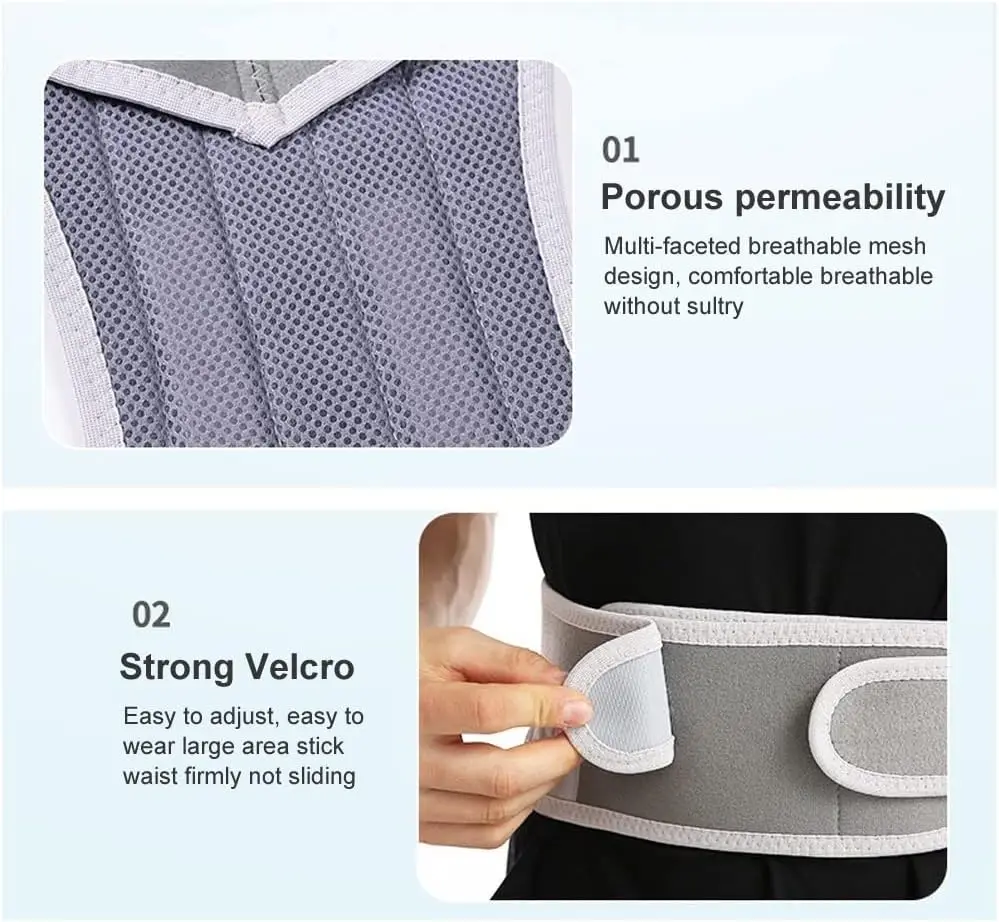
Back Brace Posture Corrector For Women & Men, Adjustable Bac
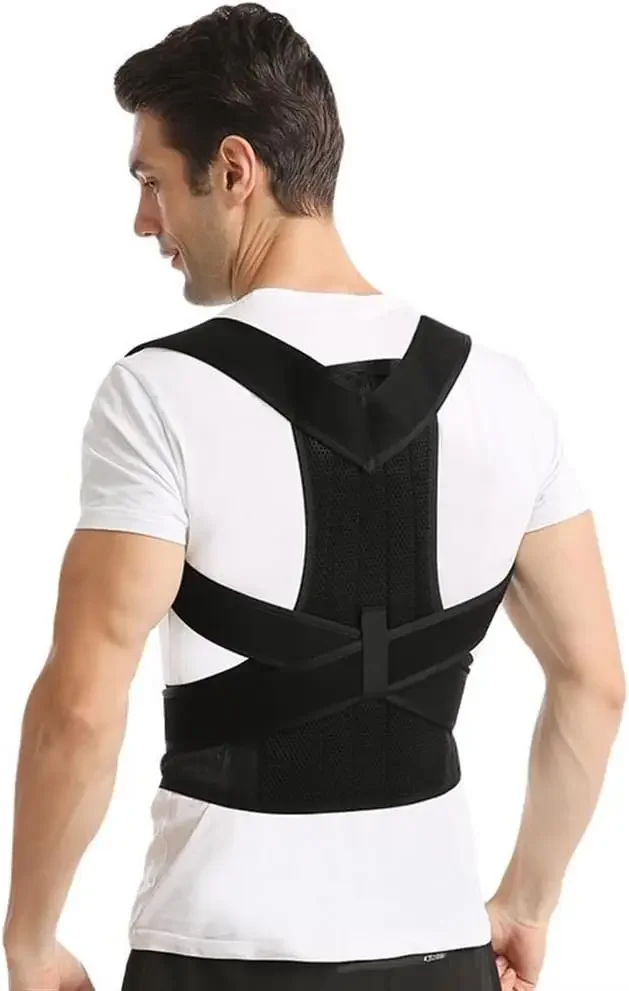
Back Brace Posture Corrector For Women & Men, Adjustable Bac
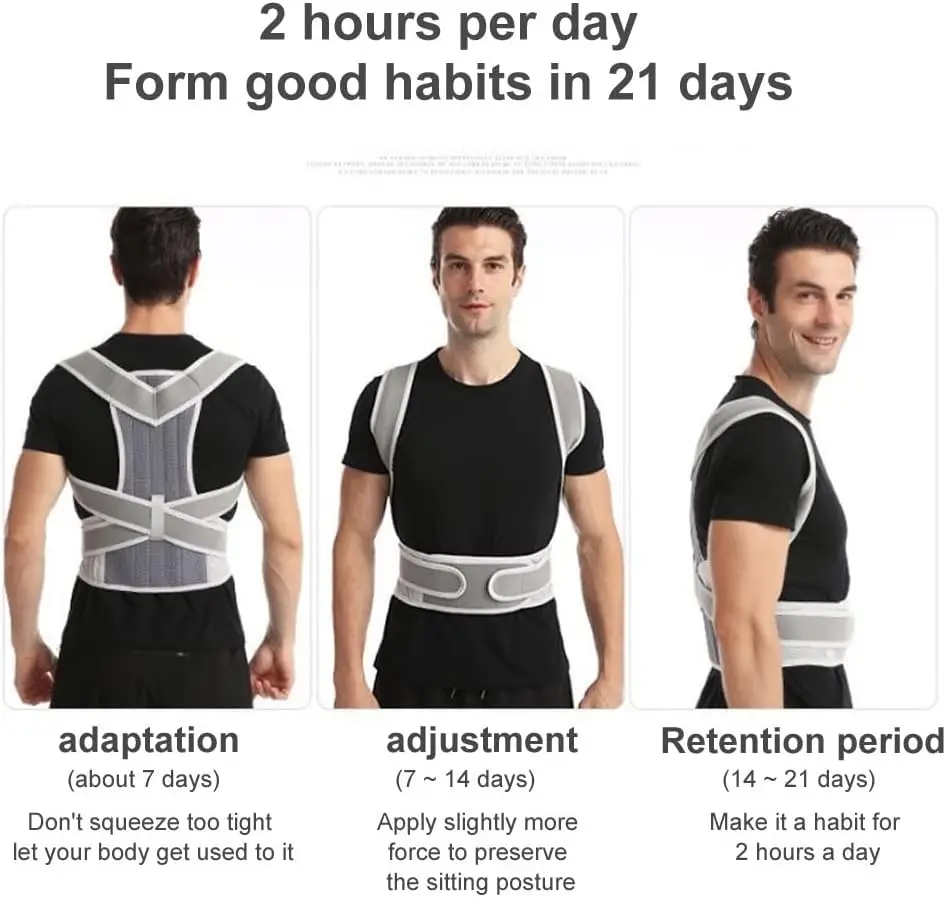
Back Brace Posture Corrector For Women & Men, Adjustable Bac
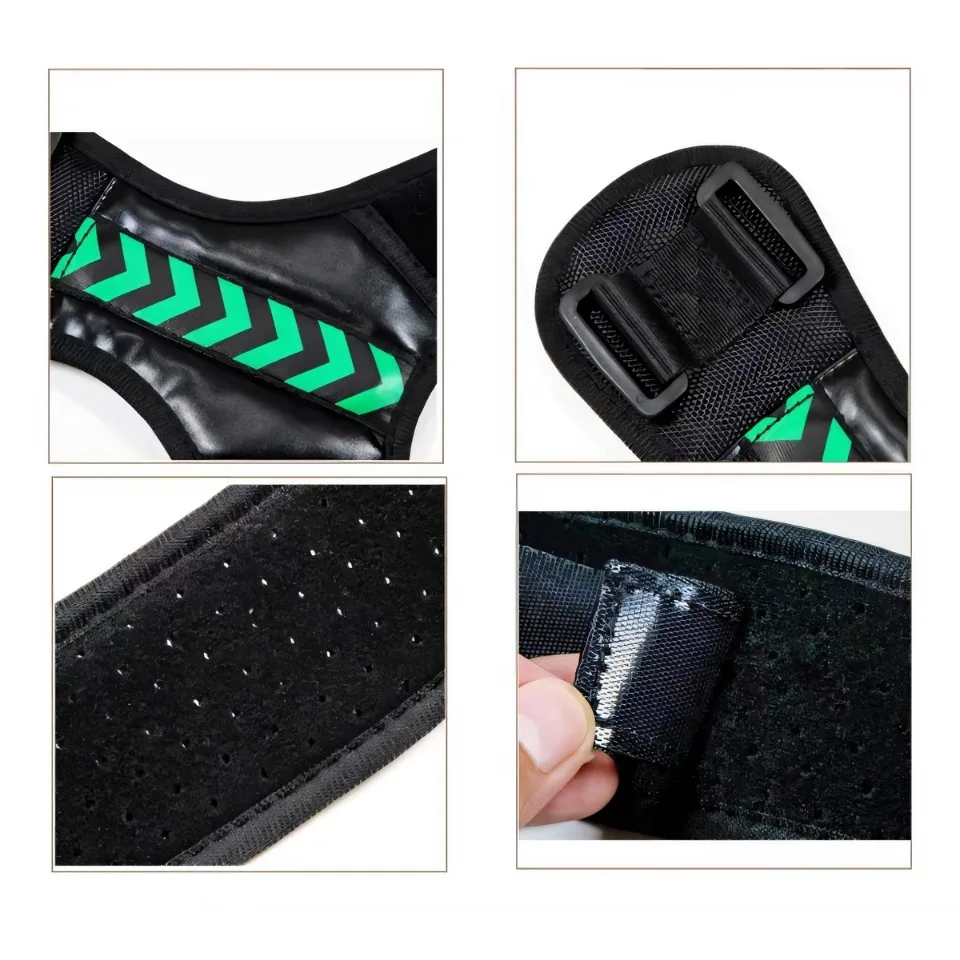
Adjustable Back Shoulder Posture Corrector Belt Clavicle Spi
The Modern Hunch: Your Guide to Standing Tall Again
You know the feeling. Hours have dissolved into the glow of your screen. Your shoulders have inched up to your ears, your head has drifted forward like a ship pulling away from the dock, and a deep, familiar ache has taken root between your shoulder blades. You stand, and your body groans in protest.

This isn't just fatigue; it's the anatomy of modern life. We are a generation sculpted by keyboards and smartphones, and the price is often chronic pain and poor posture.
Forget simply "sitting up straight." A new wave of tools promises a smarter approach: wearable posture correctors. They’re everywhere, from simple straps to high-tech sensors. But do they work, or are they just high-tech corsets? After digging into the science and testing the options, I’ve created this beginner’s guide. Think of it as your roadmap to understanding the problem and finding a tool that can genuinely help.
The Problem: Why Slouching Hurts More Than Your Pride
Poor posture is a biomechanical tax on your body. When your head juts forward just one inch, the weight on your neck muscles doubles. That 10-12 pound head suddenly exerts over 20 pounds of force. The domino effect is brutal: your upper back muscles become overstretched and weak, your chest and neck muscles tighten, and everything from tension headaches to reduced lung capacity can follow.
The Solution Spectrum: From Simple Straps to Smart Tech
A posture corrector isn't a magical fix that does the work for you. It’s a coach. Its goals are twofold: provide immediate support to overworked muscles and promote neuromuscular re-education—training your brain to recognize what good alignment actually feels like.
They come in three main flavors, each suited to a different need:
1. The Classic Elastic Brace. This is the simple figure-8 or cross-back strap. It works by gently pulling your shoulders back. It’s best for beginners, those on a budget, or anyone seeking low-to-moderate support to build awareness.
- A Solid Choice: The Adjustable Back Shoulder Posture Corrector Belt is a top-selling example. For under $3, it offers a no-fuss entry point to see if this kind of tactile feedback helps you.
2. The Supportive Back Brace Harness. Think of this as the heavy-duty option. With wider panels, lumbar support, and more adjustment points, it offers maximum feedback and stabilization. It’s ideal for those with more pronounced pain or who want a stronger reminder.
- For Comprehensive Support: The Back Brace Posture Corrector For Women & Men is a highly-rated harness style. For around $20, its adjustable design aims to offer customized support for the upper back, a common pain point for desk workers.
3. The Smart Posture Trainer. This is a discreet, tech-driven approach. A small device clips to your shirt or is worn as a necklace, vibrating when you slouch and syncing data to an app. It’s perfect for data lovers who want invisible biofeedback all day long.
- Note: The provided product list focuses on physical braces. For a smart device, you’d typically search for dedicated brands in this category.
The Reality Check: Pros, Cons, and How to Use Them Right
The Real Benefits:
- Immediate Pain Relief: It can feel like taking off a heavy backpack you didn't know you were wearing.
- Crucial Body Awareness: It breaks the autopilot slouch cycle with a gentle pull or buzz.
- A Habit Catalyst: By making slouching more difficult, it encourages you to set up your workstation better and engage your core.

The Critical Caveats (Don't Skip This!):
- Risk of Muscle Laziness: The biggest danger is wearing a supportive brace all the time. Your muscles need to work to get stronger. Use it as training wheels, not a permanent wheelchair.
- It’s Not a Cure: A corrector addresses a symptom (the slouch) but not the root cause (muscle weakness). Without complementary strength and stretching, progress stops when the device comes off.
- Discomfort Happens: Especially at first, some braces can feel restrictive. Start slowly.
Your Beginner's Action Plan
Ready to try? Don't just buy the first thing you see. Follow these steps:
Step 1: Diagnose Your Need.
- "My upper back screams at my desk": Consider a supportive harness for temporary relief during work.
- "I just want to remember to sit tall": A simple elastic brace or smart trainer is likely sufficient.
- "I need serious support post-injury": Consult a doctor or physiotherapist first.
Step 2: Start Smart & Use It Safely.
- Go Slow: Begin with 30-60 minutes daily. Never sleep in one.
- It Should Guide, Not Force: Adjust for a gentle reminder, not a straitjacket. You should be able to breathe deeply.
- Pair with Movement: This is non-negotiable. While wearing it, gently squeeze your shoulder blades together 10 times every hour.
- Build the Foundation: Dedicate time to stretches for your chest and neck, and strengthening exercises like rows and planks.

Step 3: Consider These Vetted Options. Based on sales, ratings, and design, here are a few well-received models that fit different needs:
- For the Cost-Conscious Newbie: The Adjustable Back Shoulder Posture Corrector Belt (~$2.85) lets you test the waters for less than a coffee.
- For Discreet, Daily Awareness: The Back Posture Correction Belt Hunchback Prevention Correction (~$2.83) is a minimalist belt-style option focused on gentle reminder.
- For Adjustable, Targeted Support: The New Upper Back Posture Corrector (~$5.80) features a clavicle-focused design for those with specific upper back and shoulder tension.
- For Maximum Support & Coverage: The Reinforced Belt Lumbar Column Posture Corrector Vest (~$4.41) offers more extensive coverage, potentially benefiting those who want support extending to the mid-back.
- For a Structured Approach: The Humpback Posture Corrector, Scoliosis Corrector (~$6.39) often features a more rigid, vest-like structure for pronounced feedback.
The Final Word: A Powerful Partner in a Larger Journey
Are posture correctors worth it? Yes, but with crucial context.
For the person in pain, a well-chosen corrector can be a lifeline, offering relief and resetting harmful patterns. For the habitual sloucher, it’s a brilliant biofeedback tool.
But strapping one on is not the finish line. True, lasting change comes from building a holistic posture ecosystem: an ergonomic workspace, frequent movement breaks, and dedicated strength training. The corrector is the coach that gives you the cue; you have to do the work.
The goal isn't a perfectly rigid spine. It's resilience. It's building a body that can meet the demands of modern life without a constant chorus of aches. On that path, a posture corrector can be an excellent, and sometimes essential, first step. Just remember to keep walking—and strengthening.
Back Brace Posture Corrector For Women & Men, Adjustable Bac
Back Brace Posture Corrector For Women & Men, Adjustable Bac
Back Brace Posture Corrector For Women & Men, Adjustable Bac
Adjustable Back Shoulder Posture Corrector Belt Clavicle Spi
What we liked
- Helps align spine and promote proper posture, reducing strain on the back and neck
- Provides immediate relief from chronic back pain by offering support and encouraging better habits
What could be better
- Can be uncomfortable or restrictive during initial use, requiring adaptation
- May not address underlying issues like muscle weakness without complementary exercises
Gallery

Top Picks For You
We've curated these high-rated options matching Posture Correctors: Your Guide to Better Alignment and Pain Relief in Wellness based on quality and value.
Back Brace Posture Corrector For Women & Men, Adjustable Bac
Back Brace Posture Corrector For Women & Men, Adjustable Bac
Back Brace Posture Corrector For Women & Men, Adjustable Bac
Adjustable Back Shoulder Posture Corrector Belt Clavicle Spi
Level Up Your Shopping Game
Join 15,515+ smart shoppers who get our exclusive guides and honest reviews delivered weekly.
No spam ever. Unsubscribe with one click.
In this Article
Reading time: approx. 7 min
Related Topics


