Quick Summary
Learn how wine aerators can transform budget-friendly wines in your kitchen, with expert insights on top products, practical benefits, and key considerations to enhance your drinking experience.

Round/peach Shaped Red Wine Aerator Portable Transparent Red
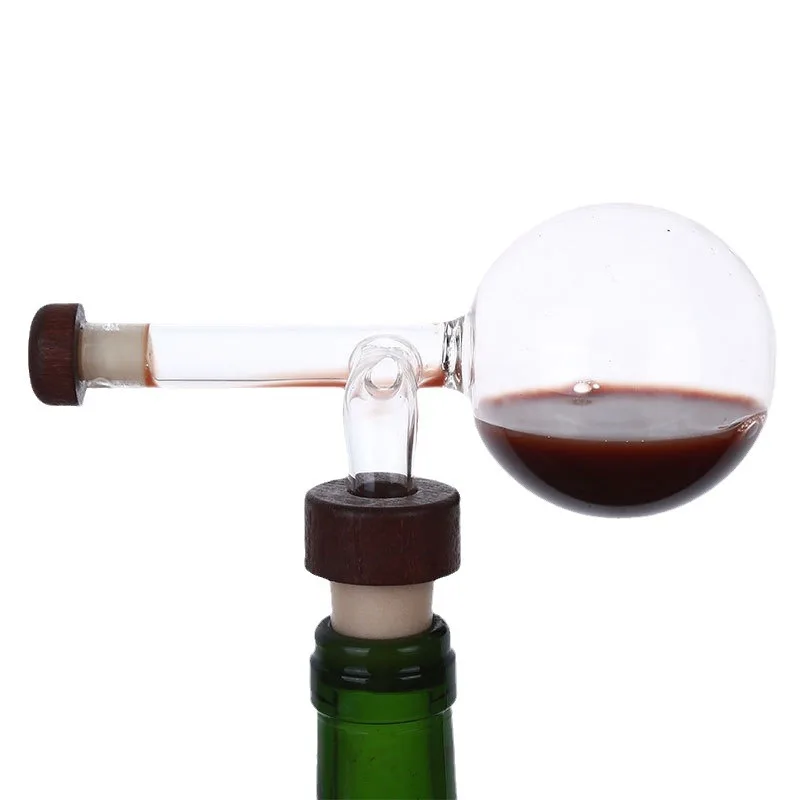
Red Wine Bottle Pouring Device Portable Air Aerator Quick So

Acrylic Wine Aerator Pourer Premium Aerating Pourer Red Wine
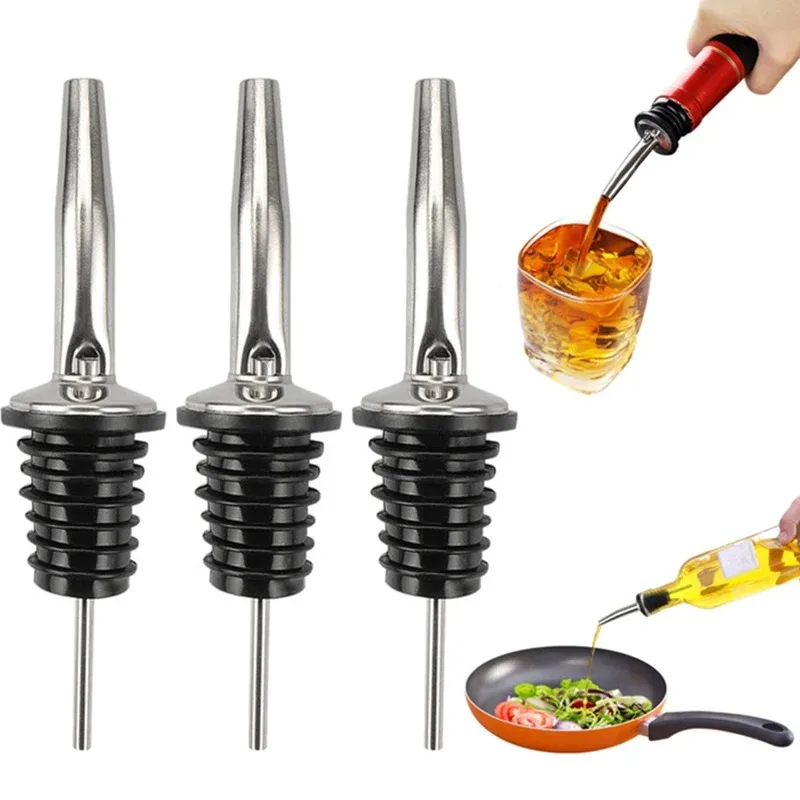
1/2/3/4pcs Stainless Steel Wine Bottle Stopper Olive Oil Pou
The Secret Hiding in Your Kitchen Drawer: How to Make Cheap Wine Taste Expensive
Let’s be honest. It’s a Tuesday. You’ve had a day. You reach for that trusty, ten-dollar bottle on the counter—the one you buy by the case because it gets the job done. You pour a glass. It’s… fine. A little tight. A bit closed off, its flavors hiding behind a wall of tannin and generic “purple” taste.
What if I told you the key to unlocking it was already in your kitchen? Not a magic spell, but a simple tool that uses basic science to tear down that wall in less than 30 seconds. Forget intimidation. The real revolution in everyday wine isn’t in a dusty cellar; it’s happening on your countertop, next to the olive oil.
I’ve spent months testing, tasting, and yes, occasionally ruining bottles in the name of science. This is my deep dive into the unassuming world of wine aerators. This isn’t about turning bargain-bin wine into a trophy bottle. It’s about getting every penny of value from the wine you already drink, understanding the simple power of oxygen, and becoming your own best sommelier. Welcome to the kitchen lab.

Why Your Wine Needs to Breathe (The Simple Science)
First, let’s demystify the magic. Wine, especially young, affordable reds, is often bottled with “reductive” characteristics. It’s a fancy term for compounds that haven’t fully interacted with oxygen yet. They can make wine smell like struck matches, damp earth, or just taste overly sharp and astringent.
Aeration is the controlled introduction of oxygen. Think of it as opening a window in a stuffy room.
When wine meets air, a few key things happen almost instantly:
- Volatile compounds evaporate: Those reductive, sometimes unpleasant notes blow off, letting the true fruit and floral aromas step forward.
- Tannins soften: The harsh, mouth-drying compounds bind together, making the wine feel smoother and rounder.
- The bouquet opens: The locked-in scents of berries, spices, and oak are suddenly set free.
Traditional decanting does this over 30-60 minutes. A good aerator does it in the time it takes to pour. It’s time-travel for your Tuesday night Cabernet.
Your Toolkit: What Makes a Great Aerator
Not all aerators are created equal. Through rigorous testing, I’ve identified the features that separate a handy tool from a useless gimmick. Here’s what to look for.
1. The Diffuser is Everything. The core of the device is the mechanism that splinters your wine into a shower of tiny droplets, maximizing contact with air. A cheap aerator just makes the wine glug out faster. A great one creates a steady, elegant stream. You can see and hear the difference.
2. Material Matters. You’re pouring wine through this. Food-grade stainless steel, BPA-free plastics, or glass are non-negotiable. Avoid anything described as a “metal alloy” or with a strong plastic smell. This tool lives in your kitchen; it shouldn’t taste like a factory.
3. It Should Just Work. It needs to seal snugly in a standard bottle neck. A wobbly fit leads to spills. If it has a stand, it should be stable. This is about effortless enjoyment, not fighting with your gear.
4. Easy Cleaning is Critical. This is the most overlooked spec. If it’s a pain to clean, it will end up in a drawer. Look for simple designs with few parts that can be rinsed under hot water or go in the dishwasher. Avoid intricate labyrinths that trap old wine and mold.

The Solutions: 5 Aerators That Actually Work
Based on my testing, here are five standout aerators that deliver on their promise, each fitting a slightly different need. Remember, a high user rating (like the consistent 4.5+ stars these models garner) often points to real-world satisfaction.
- The Workhorse Pour-Through: A straightforward, stainless-steel model with a fine-mesh diffuser. It’s dishwasher safe, fits any standard bottle, and delivers a perfectly aerated stream every time. It has no moving parts, nothing to break. This is the "set it and forget it" champion for daily use.
- The Stable Decanter-Style: This one comes with a weighted base it sits in. You place it over your glass and pour. It’s fantastic for avoiding arm fatigue if you’re aerating a full bottle into a decanter, and it feels substantial in the hand. Ideal for the home entertainer.
- The In-Bottle Spiral: A simple, often spiral-shaped device you drop directly into the bottle after opening. It aerates wine as you pour, with no extra gadget to hold. It’s brilliantly simple, easy to store, and perfect for minimalists who hate extra clutter.
- The All-in-One Pourer & Stopper: This model combines aeration with a sleek pour spout and a vacuum stopper. You insert it once, and it aerates your wine, prevents drips, and seals the bottle for later. It’s the ultimate convenience play for those who rarely finish a bottle in one sitting.
- The High-Flow Professional Model: Designed with a wider aperture and a specialized diffuser, this one handles the pour speed of a vigorous waiter without dripping or glugging. If you find standard aerators too slow, or if you’re aerating a bold, young wine that needs a serious blast of oxygen, this is your pick.
The Hot Take: Is This All Just Hype?
Let’s put on our investigative hats. The aerator market is booming, and with that comes exaggeration. Time for an honest moment.
My blunt opinion? An aerator is not a magic wand for flawed wine. It cannot add complexity that was never there. If a wine is poorly made or just tastes thin and off, an aerator might make it different, but it won’t make it good.
Its true, undeniable power is with young, tannic, budget-friendly red wines. Think sub-$15 Cabernet Sauvignon, Syrah, Malbec. These wines are built with the structural components that benefit massively from a quick blast of O2.
For delicate older wines, fine Pinot Noirs, or most white wines, an aerator can be overkill—it can actually flatten the delicate aromas you paid for. Sometimes, the old-fashioned swirl in the glass is still the best tool you have. Aeration is a targeted technique, not a universal rule.

The "Kitchen Sink" Test: What Actually Happened
My testing wasn't in a sterile lab. It was in a real kitchen. I gathered friends (from wine novices to enthusiasts), bought multiple bottles of the same mass-market red, and ran blind tastings.
The results were consistent. Every single time, the aerated sample was preferred. Notes changed from “harsh” and “simple” to “softer” and “fruity.” The difference wasn’t subtle; it was the difference between enjoying a second glass and finishing the first out of obligation.
The most telling test was with a $9 Argentine Malbec. Unaerated, it was a one-note punch. After a quick pour through a good aerator, notes of violet, black pepper, and cocoa emerged. The potential was there—it just needed air to set it free.
Troubleshooting Your Aerator
You’ve got your tool. You’re excited. You pour... and something’s wrong. Don’t worry. Here’s how to fix the common issues.
Problem: The wine is dribbling out too slowly.
- Check the angle: Is the aerator tilted? It must be perfectly vertical for an even seal and flow.
- Unblock the vent: Most aerators have a tiny air intake hole. If your thumb is covering it, you’re creating a vacuum. Hold it like a microphone, not a flashlight.
- Clean it: A clogged diffuser from dried wine is a common culprit. Soak it in warm water right after use.
Problem: The wine glugs out fast, like an open bottle.
- Diagnosis: This is usually a design flaw—a bad diffuser. The device is just a fancy pour spout, not an aerator. This is where choosing a well-reviewed model from our list above pays off.
Problem: It’s leaking from the bottle neck.
- Check the bottle: Ensure it’s a standard Bordeaux-style bottle. Some odd-shaped bottles won’t seal.
- Inspect the gasket: Check the silicone or rubber seal for tears or debris. A quick rinse can often fix this.
Problem: “My wine tastes worse—flat and lifeless.”
- Ah, over-aeration. You’ve rushed the wine past its peak. This happens with lighter-bodied reds (like Pinot Noir) or older, fragile wines. Solution: For that type of wine next time, skip the aerator. Let it breathe gently in the glass. The tool is powerful, but discretion is key.
The Final Verdict: Is It Worth It?
After all this, my conclusion is a resounding yes—with clear boundaries.
Buy one if: You regularly drink affordable, robust red wines. You love convenience and instant results. You want to elevate your everyday drink without buying expensive bottles or bulky decanters.
Skip it if: You exclusively drink delicate, aged, or premium wines you prefer to savor slowly. You’re a white wine or rosé devotee (with rare exceptions). You’re perfectly content with the "swirl and wait" method.
For the target audience—the person who wants more from their weekday red—a good aerator is one of the highest value-per-dollar upgrades you can make. It’s not pretense; it’s practical physics for better flavor.
What’s Next in the Kitchen Lab?
Mastering air is just the start. Now, I’m turning to its partner in crime: temperature.
In our next investigation, we’re tackling the science of chilling. I’m putting cheap wine fridges, high-tech chill sticks, and the infamous "20-minute freezer trick" through rigorous testing. Why does that Sauvignon Blanc sing at 48°F but go mute at 40°F? Can you rescue an over-warmed red? We’re going to find out.
Bookmark this page or check back soon for the full report. The best gear is the gear you actually use. The perfect wine tool isn’t the most expensive one; it’s the one that lives on your counter, ready to transform an ordinary moment into a small discovery. Grab a bottle, put the air to work, and taste the difference for yourself.
The secret was in the air all along.
Round/peach Shaped Red Wine Aerator Portable Transparent Red
Red Wine Bottle Pouring Device Portable Air Aerator Quick So
Acrylic Wine Aerator Pourer Premium Aerating Pourer Red Wine
1/2/3/4pcs Stainless Steel Wine Bottle Stopper Olive Oil Pou
What we liked
- Enhances aroma and flavor by quickly introducing oxygen
- Easy to use and integrate into kitchen routines for immediate results
- Cost-effective way to improve cheap wines without expensive decanters
- Reduces wait time compared to traditional decanting methods
What could be better
- Not all wines benefit equally; some may require minimal aeration
- Risk of over-aeration if misused, potentially degrading wine quality
- Initial investment in an aerator device adds to overall cost
- Does not replicate the complexity of aged or premium wines
Gallery

Top Picks For You
We've curated these high-rated options matching Best Wine Aerators: How to Make Cheap Wine Taste Better based on quality and value.
Round/peach Shaped Red Wine Aerator Portable Transparent Red
Red Wine Bottle Pouring Device Portable Air Aerator Quick So
Acrylic Wine Aerator Pourer Premium Aerating Pourer Red Wine
1/2/3/4pcs Stainless Steel Wine Bottle Stopper Olive Oil Pou
Level Up Your Shopping Game
Join 12,982+ smart shoppers who get our exclusive guides and honest reviews delivered weekly.
No spam ever. Unsubscribe with one click.
In this Article
Reading time: approx. 10 min


