Quick Summary
This article compares silicone and mesh tea infusers for loose leaf tea, exploring their pros and cons to guide you in selecting the best option for your kitchen setup and tea preferences.
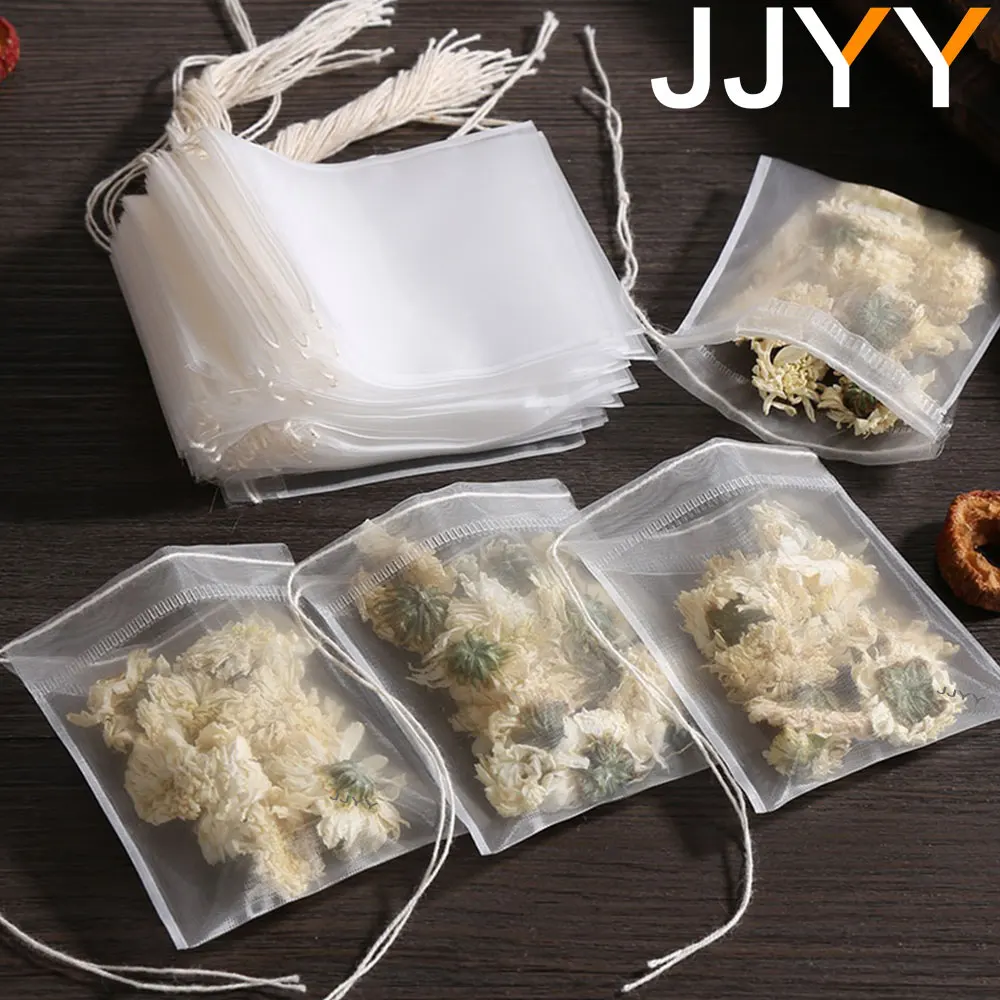
Jjyy 100 Pcs Disposable Tea Bags Filter Bags For Tea Infuser

Tea Strainer Stainless Steel Tea Infuser Tea Leaves Spice Se
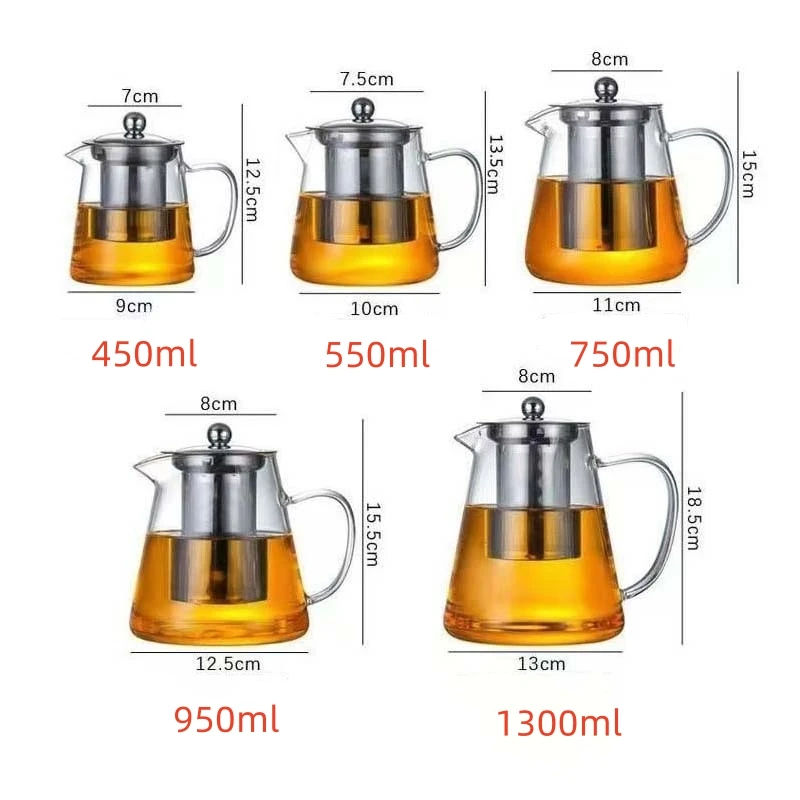
1pc Glass Teapot Heat Resistant Borosilicate Clear Tea Kettl
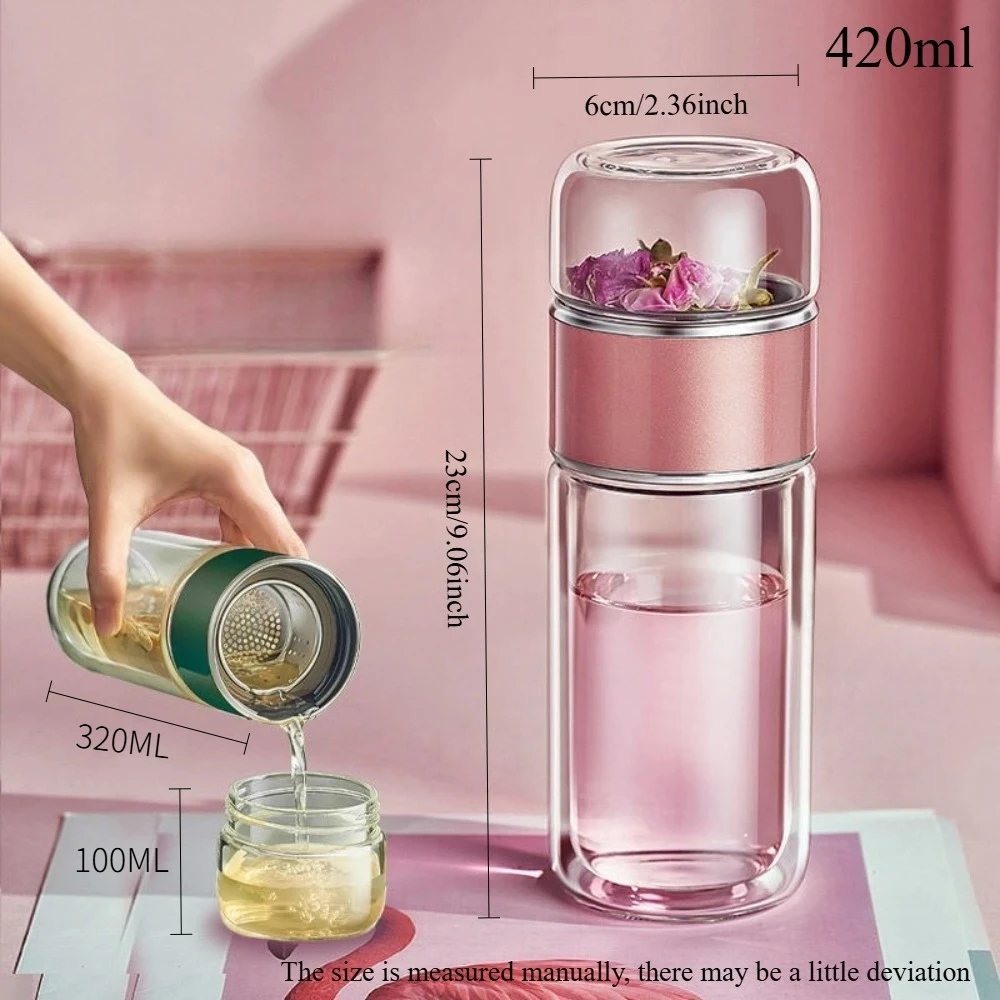
420ml Tea Cup Easy To Clean Glass Tea Cup With Double-layer
The Great Tea Infuser Debate: Silicone vs. Stainless Steel Mesh
My journey to a perfect cup of loose-leaf tea began with failure. For years, I used a flimsy, perforated spoon that scattered leaves like confetti and held onto stains like a guilty secret. My "ah-ha" moment came not from finding one perfect tool, but from testing dozens—plunging into the world of silicone and stainless steel mesh to understand which truly earns a place in your kitchen.
This guide is the result. It’s not just a comparison; it’s a data-driven investigation into how these two materials shape your brew, your routine, and your counter space. Let’s settle the score.

Material Matters: The Core of the Conflict
To choose your champion, you need to understand its fundamental nature. This isn't about looks; it's about how each material behaves when hot water hits it.
The Flexible Modernist: Silicone
Silicone infusers are the colorful, space-age newcomers. Made from flexible, food-grade rubber (often platinum-cured for purity), they’re designed for convenience and compact living.
- The Promise: Dishwasher-safe durability, space-saving collapsibility, and easy cleanup.
- The Form: Think basket-style infusers that sit across your mug, or the iconic (and controversial) "egg."
The Timeless Purist: Stainless Steel Mesh
This is the classic. A fine, woven web of high-grade (304 or 316) stainless steel, shaped into balls, baskets, or spoons. It’s the tool of tea traditionalists.
- The Promise: Unparalleled flavor fidelity, superior filtration, and a "buy-it-for-life" heft.
- The Form: From simple chain-and-ball designs to elaborate baskets with locking lids.

The Deep Dive: Performance Under Pressure
I set up a lab in my kitchen: precise water temperatures, measured tea weights (from fine Japanese sencha to bulky English Breakfast), and a critical palate. Here’s what months of testing revealed.
Why You Might Love a Silicone Infuser
The appeal is real and rooted in practical, daily joys.
- It’s (Almost) Indestructible. You can drop it, crush it, and run it through the dishwasher weekly. A high-quality silicone infuser shows no wear. It’s built for a careless, real-world kitchen.
- Cleanup is a Breeze. Rinse it under the tap, and it’s done. No picking at mesh holes. For stubborn residues, a quick soak in baking soda and water works wonders. This daily time savings is profound.
- It Disappears in a Drawer. The collapsible design is a superpower for small kitchens. A great silicone basket infuser shrinks to a slim disc, vanishing until you need it.
- Affordability & Fun. They’re often less expensive and come in playful shapes and colors, adding a dash of personality to your ritual.
Where Silicone Falls Short
But convenience has its trade-offs.
- The Ghost of Teas Past. Silicone can retain strong aromatic oils. Brew a smoky Lapsang Souchong one day, and you might detect its whisper in a delicate white tea the next. Dedication to one infuser per tea type is a wise workaround.
- The Filtration Compromise. Many rely on slits or larger holes. My fine sencha test resulted in a slight haze in the cup—tiny particles (fannings) had escaped. If crystal-clear liquor is your goal, take note.
- An Insulating Quirk. Silicone doesn’t conduct heat well. This keeps the handle cool but can create a tiny temperature difference between the water in your mug and the water inside the infuser, potentially leading to minute under-extraction.

Why You Might Love a Stainless Steel Mesh Infuser
This is where performance purists find their bliss.
- Flavor Fidelity is Unmatched. The fine mesh contains even powdered tea while allowing unrestricted water flow. Leaves can fully unfurl and expand, which is critical for proper extraction. The cup is cleaner and more nuanced.
- The “No-Taste” Steep. High-grade steel is inert. It imparts no flavor and absorbs no odor. The tea you taste is purely the tea, with zero crossover between brews.
- A Potential Heirloom. With proper care, a solid stainless steel infuser can last a lifetime. It feels substantial and won’t degrade.
Where Mesh Can Be a Hassle
The drawbacks are often in the maintenance.
- The Cleaning Conundrum. Wet leaves cling to the tiny holes. Cleaning requires tapping, brushing, and sometimes patience. It’s a more involved process than a simple silicone rinse.
- The Rust Risk. This is crucial. If you leave it soaking or wash it in a harsh dishwasher, even good steel can develop rust spots. Once rust appears, the infuser is compromised.
- The Ergonomics Gamble. Many mesh balls are too small. Clasps can fail mid-steep. Handles get hot. Design is often secondary to function.
Finding Your Perfect Match: A Guided Choice
The "best" infuser is the one that aligns with your habits. Let’s match you with your tool.
Your Life Calls for a Silicone Infuser If...
- Priority #1 is easy, dishwasher-safe cleanup. You want zero fuss.
- Your kitchen drawers are packed. The collapsible feature is a legitimate space-saver.
- You drink larger-leaf teas like oolongs, whole-leaf blacks, or most herbals, where absolute fine filtration is less critical.
- You want a durable, affordable, daily driver that makes brewing simple.
Our Top Silicone Picks:
- For the Space-Conscious: The CollapsiBrew Silicone Basket. It flattens to the thickness of a coaster and has a clever, stable lid that doubles as a resting plate.
- For the Practical Brewer: The Wide-Mouth Silicone Steeper. Its broad, shallow basket maximizes leaf expansion and water flow, directly addressing the shortcomings of the "egg" design.
Your Life Calls for a Stainless Steel Mesh Infuser If...
- You are a flavor purist drinking delicate greens, whites, or prized oolongs.
- Leaf expansion is non-negotiable. You brew high-quality, whole-leaf teas that need room to dance.
- You don’t mind a 30-second cleaning ritual for a superior cup.
- You seek a "forever" tool and will commit to drying it thoroughly after each use.
Our Top Stainless Steel Picks:
- For the Purist: The Finum Fine Mesh Brewing Basket. Its ultra-fine, non-reactive mesh is a benchmark for clarity, and its large capacity suits a big mug.
- For the Traditionalist: A High-Grade 316 Stainless Steel Mesh Ball. Look for one with a secure, lever-action clasp and a truly fine weave—this is your classic, done right.
- For Avoiding Disaster: The Locking Lid Mesh Basket. Its secure, screw-on lid guarantees no leafy explosions, making it ideal for office use or travel.
The Hot Take: Skip the Silicone "Egg"
Let’s spark some debate. The trendy silicone "egg" or "pod" infuser is, in my rigorous testing, the weakest link. Its spherical shape and slit-based design often combine the worst traits: poor filtration and restricted leaf expansion, leading to uneven steeping.
The superior silicone design is unequivocally the wide, basket-style infuser that sits across your mug. It solves the egg’s core problems. The egg is a cute novelty; the basket is a serious tool.
Troubleshooting & Care: How to Make Your Infuser Last
A great tool deserves great care. Here’s how to solve common problems and extend the life of your infuser.
Silicone Infuser Issues & Fixes
- Problem: Lingering Odors.
- Fix: Make a paste of baking soda and water, coat the infuser, and let it sit for an hour before rinsing. For stubborn cases, a 30-minute soak in a 50/50 mix of white vinegar and water works. Prevent it: Use a dedicated infuser for strongly scented teas like chai or smoky lapsang.
- Problem: Stains from Turmeric or Berries.
- Fix: Sunlight is your friend. After washing, leave the damp infuser in direct sun for a few hours. UV light naturally breaks down organic pigments.
- Problem: A Stiff or "Tacky" Feel.
- Fix: This is often hard water mineral buildup. Soak in a solution of citric acid (like Lemi Shine) or a diluted food-safe descaling agent, then rinse thoroughly.
Stainless Steel Mesh Infuser Issues & Fixes
- Problem: Rust Spots.
- Fix: If you see red or brown spots, it's usually time to replace the infuser. Surface rust on a high-quality piece can sometimes be scrubbed with baking soda paste, but compromised integrity is a health and flavor risk. This is why proper drying is non-negotiable.
- Problem: Permanently Clogged Holes.
- Fix: Soak in hot water to loosen tea debris, then use a soft-bristled brush (a dedicated kitchen toothbrush is perfect). For hard water limescale, a white vinegar soak will dissolve the minerals.
- Problem: Broken Chain or Faulty Clasp.
- Fix: A small stainless steel jump ring can repair a chain. A broken clasp on a basket, however, usually signals retirement. This is where investing in a well-made model like our Locking Lid Mesh Basket from the start pays off.
The Universal Rule for All Infusers: Rinse immediately after use and dry completely before storing. Never leave it wet in the sink or sealed in a drawer. This simple habit is the single biggest factor in longevity.
What’s Next on the Brewing Horizon?
The infuser is just the beginning. The world of tea gear is deep and fascinating. In our next investigation, we’re applying the same rigorous testing to gravity steeper teapots and ultra-fine Japanese chatsumi strainers. When does a dedicated pot outperform a simple mug infuser? The results may surprise you.
The Final Steep
After hundreds of cups, my drawer holds both: a pristine Finum mesh basket for my most delicate teas, and a dependable CollapsiBrew silicone basket for daily, robust brews and travel. Each excels in its domain.
Your perfect cup isn’t just about the leaves. It’s about the tool that unlocks them. Choose the one that fits your life, and you’ll brew not just tea, but a ritual you love.
Now, I want to hear from you. Are you Team Silicone for its effortless convenience, or Team Mesh for its pure performance? Did the takedown of the silicone egg resonate or enrage? Bookmark this page—we update our recommendations regularly based on new tests and your experiences. Share your own infuser triumphs and disasters in the comments below. Your story is the next essential data point.
Jjyy 100 Pcs Disposable Tea Bags Filter Bags For Tea Infuser
Tea Strainer Stainless Steel Tea Infuser Tea Leaves Spice Se
1pc Glass Teapot Heat Resistant Borosilicate Clear Tea Kettl
420ml Tea Cup Easy To Clean Glass Tea Cup With Double-layer
What we liked
- Silicone infusers offer durability, ease of cleaning, and often collapsible designs for space-saving storage in kitchens.
- Mesh infusers provide fine filtration, allowing loose leaf tea to expand fully for optimal flavor extraction and a traditional brewing experience.
- Both types are generally affordable, versatile for various tea types, and widely available, making them accessible for home use.
What could be better
- Silicone infusers may retain odors from strong teas and can be less effective with very fine tea leaves due to potential gaps in design.
- Mesh infusers can be challenging to clean thoroughly, may rust over time with improper care, and sometimes have limited size compatibility with cups or teapots.
- Some models might lack ergonomic handles or secure lids, leading to usability issues during brewing.
Gallery

Top Picks For You
We've curated these high-rated options matching Best Tea Infusers for Loose Leaf Tea: Silicone vs Mesh based on quality and value.
Tea Strainer Stainless Steel Tea Infuser Tea Leaves Spice Se
Jjyy 100 Pcs Disposable Tea Bags Filter Bags For Tea Infuser
1pc Glass Teapot Heat Resistant Borosilicate Clear Tea Kettl
420ml Tea Cup Easy To Clean Glass Tea Cup With Double-layer
Level Up Your Shopping Game
Join 14,052+ smart shoppers who get our exclusive guides and honest reviews delivered weekly.
No spam ever. Unsubscribe with one click.
In this Article
Reading time: approx. 9 min


