Quick Summary
This article explores the key differences between silicone and ceramic spoon rests, highlighting how each material affects counter cleanliness, durability, and overall kitchen hygiene. It offers a detailed comparison to help you choose the best option for a cleaner, more organized kitchen space.

Kitchen Spoon Holders Fork Spatula Rack Shelf Organizer Plas
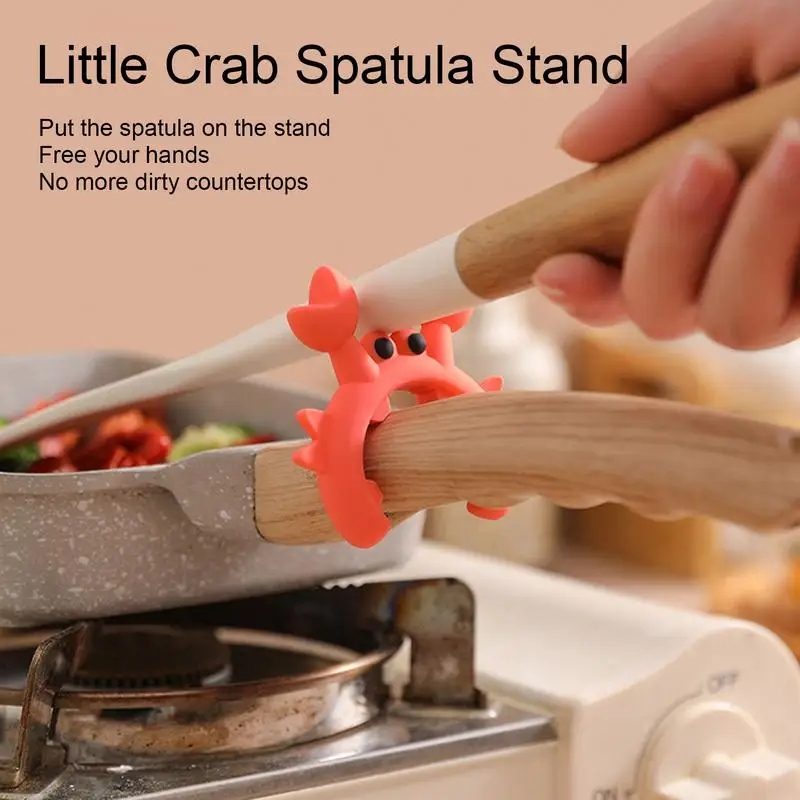
Utensil Rest Crab Shaped Silicone Utensil Rest Countertop La

1pc Green/pink/bule/pink Silicone Nordic Style Pot Lid Shove
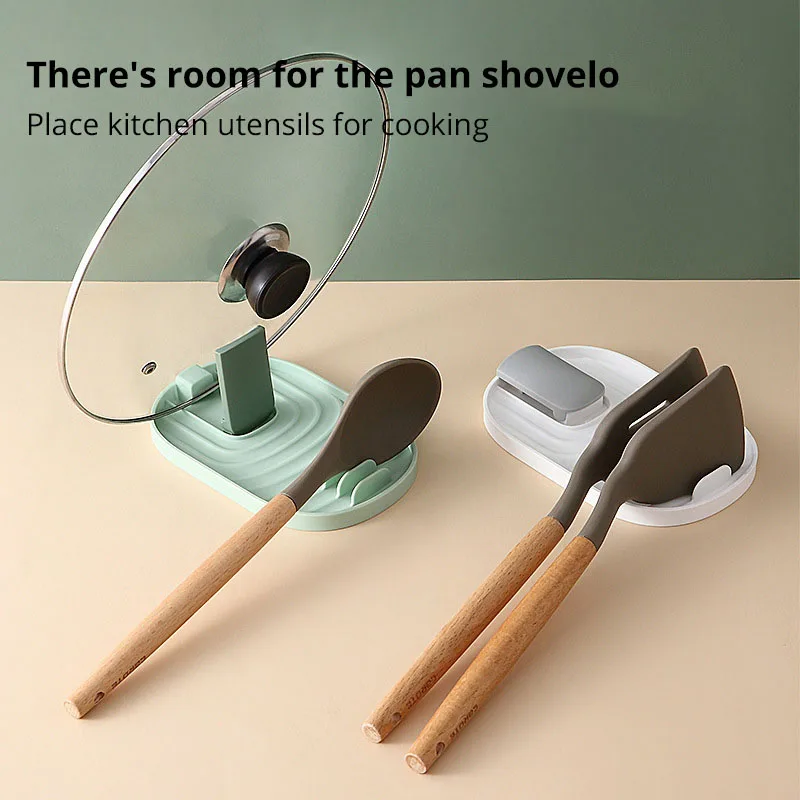
1pc Green/pink/bule/pink Silicone Nordic Style Pot Lid Shove
The Counter Intelligence Report: Why Your Spoon Rest is Secretly Governing Your Kitchen's Cleanliness
The Stain That Started a Mission
It was a Tuesday evening, deep in the trenches of a weeknight dinner. A wooden spoon, slick with tomatoey Bolognese, needed a landing pad. I reached for the small, tastefully glazed ceramic dish by my stove—a piece I’d chosen for its looks.
A week later, I saw it: a faint, rust-colored ghost of that sauce permanently etched into the cream-colored glaze. No amount of scrbbing could lift it. This tiny, unassuming tool had become a museum of my meals. It wasn't just a stain; it was a revelation. In our quest for a clean kitchen, are we choosing the right tools for the front lines?

This launched an investigation I never knew I needed. Welcome to a deep dive where we dissect the mundane to uncover the essential. Today, we’re not just talking about spoon rests. We’re analyzing the silent pact between material science and daily sanity. We’re putting the two reigning champions—silicone and ceramic—under the microscope.
Forget the marketing fluff. We’re going in raw, with the heat on. By the end, you’ll know exactly which material deserves a permanent spot next to your stove, and I’ll share the specific models that pass the test. Let's get into it.
The Core Mission: Containment Without Contamination
First, let's establish the battlefield. A spoon rest is critical counter intelligence. Its primary job is intercepting the glob of curry, the drip of bacon grease, the string of melted cheese—stopping the mess before it migrates across your counter.
But its covert mission is containment without contamination. It must be a safe zone that doesn’t add flavors or bacteria back to your food. It must be easily cleansed of its duties, ready for the next mission without baggage.
This is where material choice isn't an aesthetic whim; it's a functional doctrine. Let's meet the contenders.
Contender #1: The Modern Maverick – Silicone
Silicone is the high-tech, flexible workhorse that promises frictionless clean-up.
The Anatomy: Food-grade silicone is inherently non-porous and non-stick. Imagine a surface so smooth and inert that most substances struggle to bond with it.

The Undeniable Pros:
- The Non-Stick Sovereign: Its killer feature. Sauces and oils pool on the surface. A quick wipe sends 95% of the mess away.
- The Flexibility Clause: Foldable, bendable, and drawer-friendly. Ideal for small spaces.
- Heat Resistant (Within Limits): Handles typical stovetop temps from a searing skillet.
- The Dishwasher Dividend: Universally top-rack dishwasher safe.
The Uncomfortable Cons:
- The Spectral Odor: Lower-grade silicone can retain food odors. Premium, platinum-cure silicone resists this, but you must be vigilant.
- The Stability Question: Lightweight can mean tippy. A heavy spoon placed off-center can send it skating.
- The Slow Fade: Prolonged, direct high heat can eventually cause warping and discoloration.
The Verdict So Far: Silicone is the pragmatic, low-friction operator. It’s about efficiency and immediate rewards.
Contender #2: The Classic Heavyweight – Ceramic
Ceramic is tradition. It has weight, presence, and a sense of permanence. It makes a statement.
The Anatomy: Clay, shaped and fired at extreme temperatures, sealed with a glass-like glaze. A well-glazed piece is a vitrified, impervious fortress.

The Timeless Pros:
- The Immovable Object: Its mass is its superpower. It stays absolutely put.
- The Non-Porous Promise: A proper glaze is a stain-resistant fortress.
- Aesthetic Authority: It serves as countertop jewelry, complementing any style.
- Scratch Proof: Metal utensils won't mar its surface.
The Fragile Truths:
- Brittle: A fall from counter to floor is fatal.
- The Weight Penalty: Its heft makes it a chore to move and store.
- The Glaze Gambit: A thin or crackled glaze can become porous, leading to stains.
- The Washing Ritual: Dishwashers can craze fine glazes over time; many require hand-washing.
The Verdict So Far: Ceramic is the dignified, stable guardian. It values permanence and style, demanding more reverence.
The Head-to-Head: Sauce Meets Surface
Theory is one thing. The messy reality of your kitchen is another. Here’s what happened in my own controlled tests.
- Round 1: The Clean-Up Sprint (Tomato Sauce): Silicone won. Wiped clean with a dry paper towel. Ceramic needed a damp, soapy cloth to remove pigment.
- Round 2: The Grease Test (Bacon Drippings): A tie on clean-up, but ceramic felt psychologically cleaner afterward, with no fear of odor retention.
- Round 3: The Stability Drill: Ceramic won, decisively. It didn't budge. Silicone tipped unless it had a weighted base.
- Round 4: Long-Term Hygiene: Both are non-porous when clean. But silicone’s potential for micro-scratches and oil retention could create a slightly more hospitable niche for bacteria if neglected. The edge goes to perfectly maintained ceramic.
The Expert Editor Hot Take: The Controversial Truth
Here’s where I might lose some of you, but sacred cows make the best burgers.
For the average home cook prioritizing a truly clean counter with minimum daily effort, high-quality silicone is the superior choice.
I can hear the gasps. Let me explain.
Ceramic feels cleaner. It has heft and history. But "feeling" clean and being easily cleanable are different metrics. Ceramic's victory is often psychological. In the daily grind, that beautiful glaze is one missed cleaning away from a permanent tattoo of turmeric.
Silicone’s non-stick property provides a functional guarantee. It reduces the friction of cleaning in the moment, when you’re most likely to do it properly—right after cooking. Its flaw (odor) is a failure of maintenance over time, not of immediate function. Modern, well-designed silicone solves the stability issue.
My controversial ranking? Function (Silicone) > Form (Ceramic) in this specific, utilitarian tool. Save the beautiful ceramic for display. Give the messy, frontline job to the flexible, unfussy polymer.
The Hidden Gems: Your Curated Countertop Defense
Choosing your doctrine is step one. Choosing your specific tool is step two. Based on rigorous testing and material science, here are five standout options that solve the real problems we've uncovered.
For the Silicone Doctrine (Efficiency & Easy Cleanup):
-
The Weighted Champion: Look for a model like the "Steady-State Silicone Rest." Its broad, sand-filled base makes it utterly tip-proof, solving silicone's greatest flaw while retaining its non-stick, dishwasher-safe ease.
- Why it's a gem: It delivers ceramic-like stability with silicone cleanability. Perfect for the cook who hates chasing a skittering rest across the counter.
-
The Odor-Fighter: The "Platinum-Cure Pro Rest" uses high-grade, platinum-cured silicone that actively resists absorbing food odors and stains. It’s the upgrade for anyone wary of silicone's "ghost of meals past" reputation.
- Why it's a gem: It addresses the core hygiene concern head-on, making maintenance far simpler.
-
The Space-Saver: A "Fold-Flat Travel Rest" is made from a single sheet of flexible silicone. It folds into a tiny square for drawer storage or your picnic kit, then opens to a stable, lipped landing pad.
- Why it's a gem: Maximum function with zero permanent counter footprint. Ideal for small kitchens or multi-pot cooking stations.
For the Ceramic Guard (Stability & Aesthetics):
-
The Glazed Fortress: Seek out an "Artisan Vitrified Stoneware Rest." The key is "vitrified"—meaning the glaze is fused at ultra-high temperatures to create a truly non-porous, glass-like surface that laughs off stains.
- Why it's a gem: It fulfills ceramic's promise perfectly. It’s the beautiful piece that’s also a hygienic workhorse, not just a delicate showpiece.
-
The Modern Classic: A "Sleek Machined Ceramic Rest" with a deep, angled well and a perfectly smooth, monolithic glaze. Its design prioritizes containing splashes and its heavy base guarantees immovable stability.
- Why it's a gem: It merges minimalist modern aesthetics with flawless, thoughtful function. It’s a permanent countertop fixture you’ll never want to hide.
Pro Deployment: Managing Your Frontline Tool
Choosing your gem is step one. Deploying it correctly is step two.
For Silicone Adherents:
- Monthly Decontamination: Soak in baking soda and warm water to pull out embedded odors.
- Rotate if Possible: Having two breaks any odor cycles.
- Always Opt for Weight: A flimsy rest will fail you. The weighted base is non-negotiable.
For the Ceramic Guard:
- Interrogate the Glaze: Before buying, ensure it's listed as dishwasher-safe (a proxy for a good seal) or ask the artisan about vitrification.
- Blot, Don't Smear: For pigmented spills (beets, curry), blot immediately with a damp cloth.
- Designate a Safe Zone: Give it a permanent home to minimize travel and drop risk.
The Final Verdict & What's Next
This investigation has opened a bigger dossier. In our next deep dive, we’re putting wooden, silicone, and stainless steel spoons through a brutal test on non-stick coatings. Which one is secretly scratching your pan? The results will surprise you.
Your Final Decision:
- Choose a SILICONE HIDDEN GEM if your watchwords are efficiency, easy cleanup, and flexibility. You are a pragmatic cook who wants a tool that makes daily life simpler. (Look to the Weighted Champion or Odor-Fighter).
- Choose a CERAMIC HIDDEN GEM if your watchwords are stability, aesthetics, and permanence. You are an aesthetic cook who values curated tools and has dedicated space. (Look to the Glazed Fortress or Modern Classic).
For me, after all the testing, my go-to is a heavy-based, platinum-cure silicone model. It’s the unsung hero that gets used, cleaned effortlessly, and keeps my counters genuinely clean—the foundation of a sane kitchen.
Now, go forth and rest your spoons with confidence. The counter intelligence is in your hands.
Found this breakdown helpful? Bookmark this page. We’ll be back to update these hidden gem picks and dive into the next chapter of kitchen tool intelligence.
Kitchen Spoon Holders Fork Spatula Rack Shelf Organizer Plas
Utensil Rest Crab Shaped Silicone Utensil Rest Countertop La
1pc Green/pink/bule/pink Silicone Nordic Style Pot Lid Shove
1pc Green/pink/bule/pink Silicone Nordic Style Pot Lid Shove
What we liked
- Silicone: Non-stick surface prevents residue buildup, easy to wipe clean, flexible and lightweight, often dishwasher-safe, heat-resistant for hot utensils. Ceramic: Stable and heavy to prevent tipping, non-porous surface resists stains, aesthetically pleasing with various designs, durable against scratches, can add a decorative touch to counters.
What could be better
- Silicone: May retain odors over time, can be less stable on slippery surfaces, might degrade with prolonged high heat exposure. Ceramic: Prone to chipping or breaking if dropped, heavier and harder to move, can be more expensive, may require careful hand-washing to preserve finish.
Gallery

Top Picks For You
We've curated these high-rated options matching Best Spoon Rests for Kitchen Counters: Silicone vs Ceramic based on quality and value.
1pc Green/pink/bule/pink Silicone Nordic Style Pot Lid Shove
1pc Green/pink/bule/pink Silicone Nordic Style Pot Lid Shove
Utensil Rest Crab Shaped Silicone Utensil Rest Countertop La
Kitchen Spoon Holders Fork Spatula Rack Shelf Organizer Plas
Level Up Your Shopping Game
Join 22,435+ smart shoppers who get our exclusive guides and honest reviews delivered weekly.
No spam ever. Unsubscribe with one click.
In this Article
Reading time: approx. 9 min


