Quick Summary
Discover how key covers can simplify your life by making car and home keys easy to identify. This article explains what key covers are, their benefits, and offers actionable tips on color coding for effortless key organization and access.

Waterproof Anti-lost Keychain Holder Tpu Case For Apple Airt

Jingyuqin 2button Uncut Blank Blade Replacement Car Key Cove
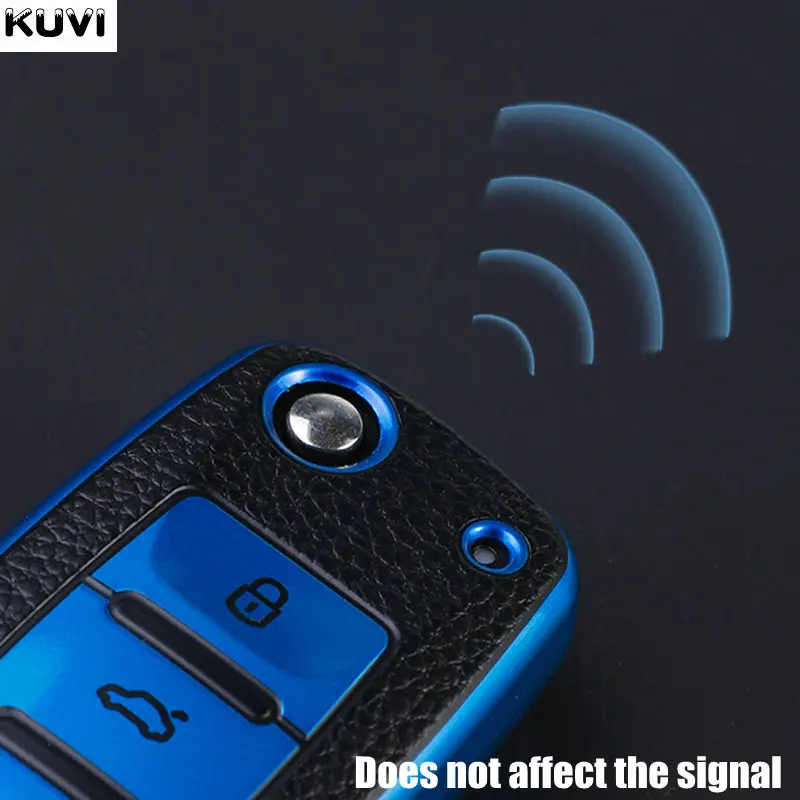
Leather Tpu Car Key Case Car Key Full Cover Protection Bag F
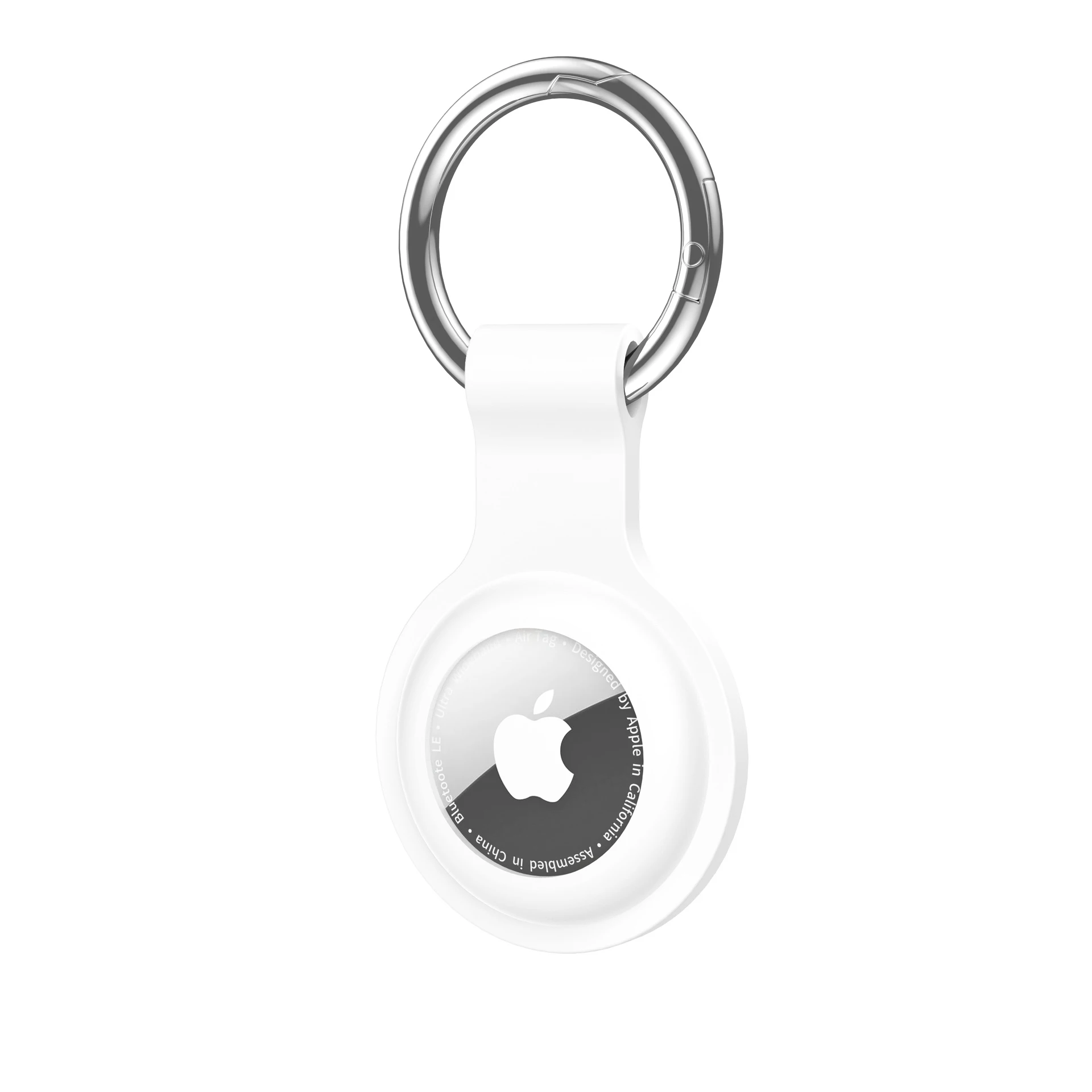
Keychain For Apple Airtag Silicone Protective Case Cover Key
The Tiny, Life-Changing Hack for Your Most Annoying Daily Task

Here’s a universal moment of minor defeat: you’re at your door, arms full of groceries, rain soaking your neck, fumbling through a ring of nearly identical metal keys. You perform a frantic braille check—is it the jagged one? The one with the chip?—as time stretches into a tiny eternity.
I lived this for years. Then, I found the unassuming hero that solved it: the key cover. This isn't about cuteness. It's a tactical upgrade for one of life's smallest, most frequent friction points. As part of our Life Hacked series on optimizing the mundane, we're dissecting key organization, and more importantly, answering the real question: does it matter if you buy the brand-name version or the AliExpress special?
I’ve tested both, side-by-side, for months. Let's get into it.
What Is a Key Cover, Really?
Strip away the fluff. A key cover is a simple sheath—usually silicone, rubber, or TPU—that slides over the head of your key. Its core function is identification through instant differentiation.

When keys are bare metal, you rely on memory of tiny cuts. A cover makes a key uniquely distinct, both visually and by touch. It’s a flag for your senses.
The Benefits Go Way Beyond "Finding It Faster"
Sure, they help you tell keys apart. But the real value is systemic.
- Reduces Cognitive Load: Your brain hates unnecessary decisions. Identifying a bare key requires a micro-second of visual processing. A bright green cover bypasses that. Your hand goes straight for green. You've freed up mental RAM.
- Acts as Armor: Constant friction grinds down plastic key heads and laser-etched logos. A good cover absorbs this abuse, extending your key's life by years.
- Creates Peace and Quiet: Silicone dampens the jingle and scratch of a metal keyring. It also prevents keys from snagging on pocket linings.
- Lays a System Foundation: A color-coded key is the first step. It lets you build further: assigning specific pockets, using color-matched smart trackers, or creating a family-wide system ("blue is always the front door").
Your Blueprint for a Foolproof System
Theory is great. Let's build. Here’s a step-by-step method to move from chaos to frictionless access.
Step 1: The Audit. Dump all your keys. Categorize by frequency of use:
- Tier 1 (Daily): Primary car, main house key.
- Tier 2 (Weekly): Office, mailbox, gym.
- Tier 3 (Rare): Shed, spare key, the mystery key.
Your Tier 1 keys get the most distinct, high-contrast colors.
Step 2: Choose Your Color Logic. You're creating a visual language. The most effective schemes:
- Environment-Based: Intuitive for beginners. Warm tones for home (red for front door, green for garden). Cool tones for cars and tech (blue for sedan, grey for truck). Professional tones for work (navy, burgundy).
- Urgency-Based: Red for primary car (fast access). Green for main home (sanctuary). Yellow for secondary access.
- Personal Association: The stickiest for memory. Blue cover for your blue car, green for the garden gate.
Pro-Tip: Standardize the logic in your household. If red is always the front door, questions evaporate.
Step 3: Implement. This is where products come in. Commit to the system for two weeks. Muscle memory will form. The goal is to stop looking for your key.
The Solutions: Premium Polish vs. Budget Flexibility
Now, the showdown. You can invest in a curated set from a known brand, or buy a giant pack of generics for pennies. I tested both to see where the value truly lies.
The Premium Pick: For Your Tier 1 Daily Drivers
For the keys you use constantly—your car, your home—the investment in a well-made cover pays dividends in feel and longevity. You're paying for material density, precision fit, and colorfastness. These are "buy it for years" items.
Our Recommendations:
- KeySmart Premium Key Covers: Known for their thick, matte-finish TPU and exact molding. They feel substantial and durable. Perfect for a minimalist, quality-focused setup.
- Key-Bak Sili-Caps: A trusted brand in key management. Their silicone offers a great balance of flexibility and snug fit, with a clean, professional look.
The Budget Bulk Pack: For Experimentation & Tier 2/3 Keys
For your office key, shed key, or for testing a color scheme, a bulk pack is unbeatable for value and variety. The core function—making keys distinct—is 100% achieved. The trade-off is in material thinness and potential fit inconsistencies.
Our Recommendations:
- Generic Silicone 50-Pack (AliExpress/Amazon): The ultimate budget play. You get every color to experiment with. Best for seldom-used keys or finding your perfect palette before investing in premium covers for your mains.
- ECbuy 24-Pack Rubber Key Covers: A mid-tier bulk option often found on Amazon. Slightly better consistency than the deepest AliExpress generics, with less odor off-gassing.
- "No-Name" TPU Covers (Various Sellers): Search for "TPU key covers" instead of just silicone. TPU can offer a better fit and feel than the cheapest silicone, often for just a few dollars more per pack.
The Verdict & Hybrid Strategy
So, which should you buy? My expert advice, and what I do myself, is a hybrid approach:
- Invest in premium covers for your Tier 1 keys. Your daily drivers deserve the durability and perfect fit. The cost per year of service is negligible.
- Use generic bulk covers for Tier 2 & 3 keys. Your office, shed, and spare keys are perfect for the budget pack. If one fades or tears in a few years, you have dozens more.
- Check specs, even for generics. Look for "silicone" or "TPU" over vague "rubber." Scan reviews for mentions of tearing or strong smell.
This gives you reliability where it counts and frugal flexibility everywhere else.
The Contrarian Corner: Are We Treating the Symptom?
Here’s the spicy take to fuel the comments. Relying solely on colored covers is treating a symptom, not the disease. The real problem is often too many keys on one ring.
The ultimate system involves key separation. Your car key should live alone. Your home cluster should be separate. Use a modular key holder or carabiner to attach clusters only when needed. A cover then becomes a perfect identifier within a minimal cluster.
So, my radical advice: Before you buy covers, edit your keyring mercilessly. Then use covers to perfect the minimalist system you’ve created.
What's Next in Life Hacked
The key cover is just the gateway drug to Everyday Carry optimization. In our next deep dive, we're putting minimalist wallets through a real-world torture test. Can a slim metal plate survive a year in your pocket, or is it a fashion-focused folly?
Here’s Your Call to Action: Bookmark this page. I’ll be updating this guide with long-term durability notes on the products mentioned and new finds from the community.
I want to hear from you: Drop your color logic or brand experiences in the comments. The best reader system each month gets featured in a follow-up. The best life hack isn't the one I tell you about—it’s the one we discover together.
Now go audit that keyring. Your future, less-frustrated self is waiting.
Waterproof Anti-lost Keychain Holder Tpu Case For Apple Airt
Jingyuqin 2button Uncut Blank Blade Replacement Car Key Cove
Leather Tpu Car Key Case Car Key Full Cover Protection Bag F
Keychain For Apple Airtag Silicone Protective Case Cover Key
What we liked
- Enhances key identification, reducing time spent searching for the right key.
- Prevents mix-ups between car and home keys, improving daily efficiency.
- Adds a personal touch with customizable colors and designs.
- Protects keys from wear, tear, and damage, extending their lifespan.
- Boosts security by minimizing the risk of using incorrect keys in emergencies.
What could be better
- Can add slight bulk to keys, potentially affecting portability.
- Some covers may interfere with key insertion or removal in locks.
- Requires an initial investment, with costs varying by quality and brand.
- Covers may degrade over time, needing occasional replacement.
- Color choices might fade or become less distinct, reducing effectiveness.
Gallery

Top Picks For You
We've curated these high-rated options matching What are Key Covers? Best Ways to Color Code Your Keys based on quality and value.
Jingyuqin 2button Uncut Blank Blade Replacement Car Key Cove
Leather Tpu Car Key Case Car Key Full Cover Protection Bag F
Keychain For Apple Airtag Silicone Protective Case Cover Key
Waterproof Anti-lost Keychain Holder Tpu Case For Apple Airt
Level Up Your Shopping Game
Join 13,058+ smart shoppers who get our exclusive guides and honest reviews delivered weekly.
No spam ever. Unsubscribe with one click.
In this Article
Reading time: approx. 7 min


